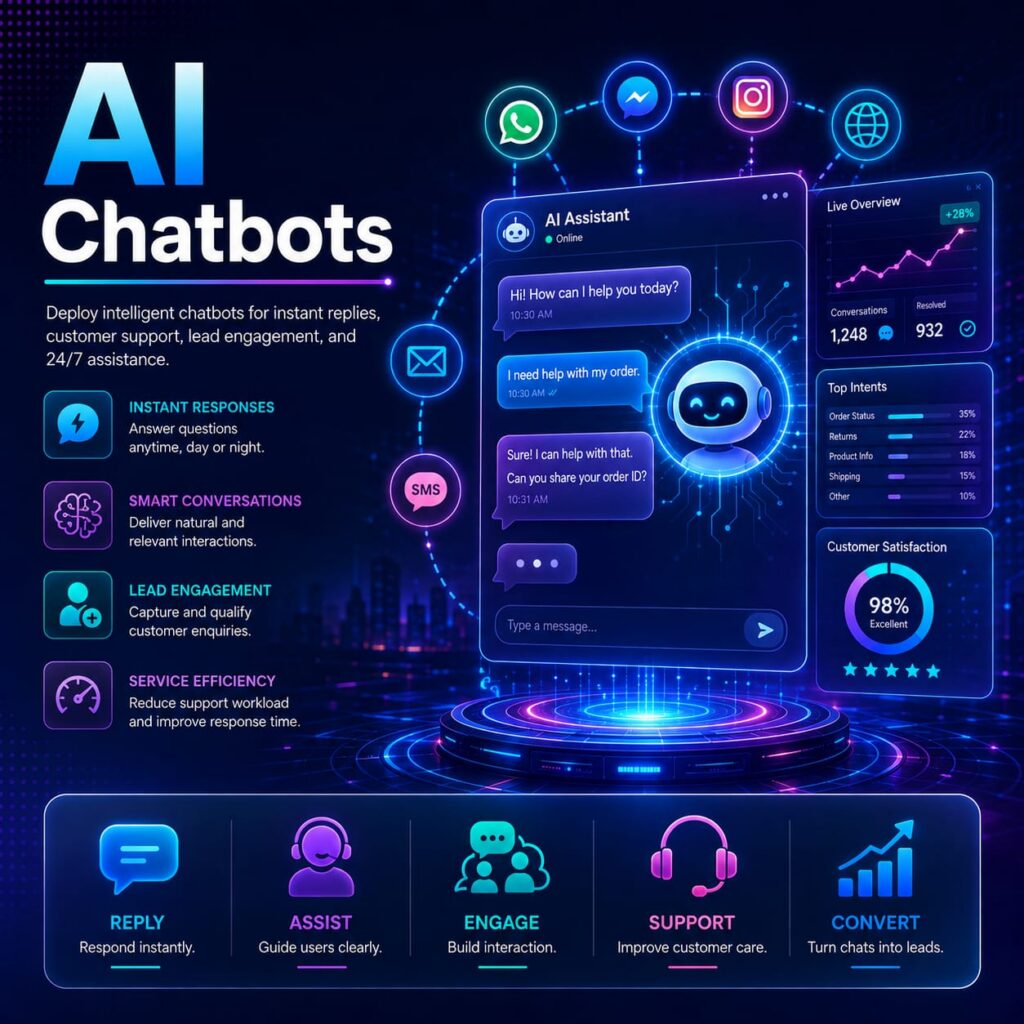
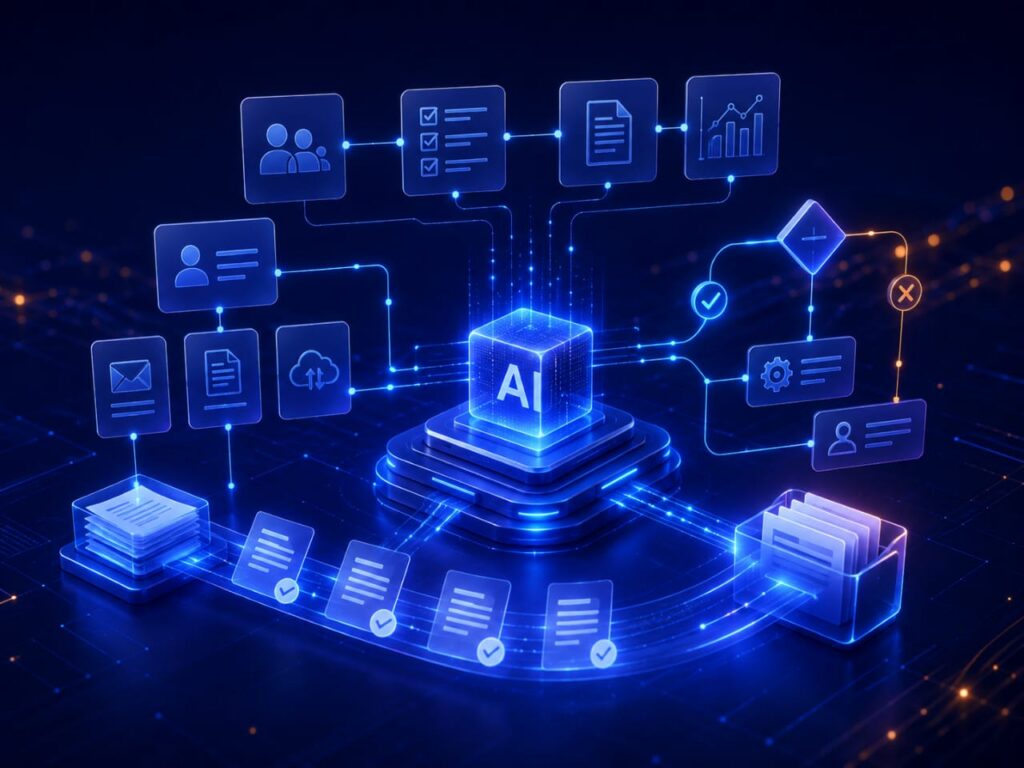
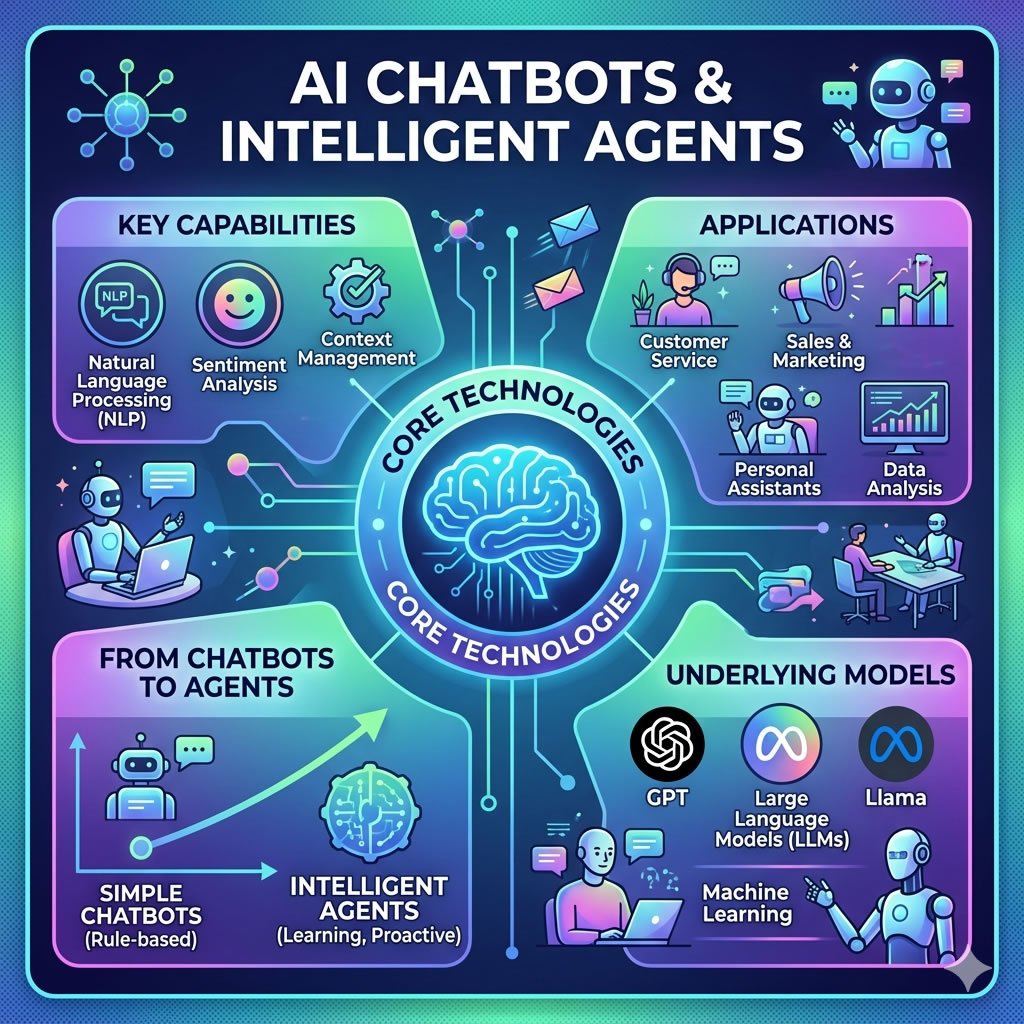

AI Chatbots are intelligent software systems that utilize technologies such as Natural Language Processing (NLP) and Large Language Models (LLMs) to understand human natural language, engage in multi-turn contextual dialogues, and autonomously perform specific tasks.
In the modern technology ecosystem, AI Chatbots are undergoing a revolutionary evolution from traditional “keyword-based question-answering robots” to embodied intelligent agents (AI Agents) with logical reasoning and tool-calling capabilities.
Core Technology Pillars
An advanced AI chatbot primarily relies on the collaborative work of the following underlying technologies:
- Large Language Models (LLMs): Acting as the “brain” of the chatbot, responsible for high-level semantic understanding of text, logical reasoning, multilingual translation, and human-like text generation.
- Context Window Management: Maintaining the chatbot’s “short-term memory,” ensuring that it can accurately remember the constraints posed by the user at the beginning of the conversation even after dozens of rounds of long dialogue.
- Retrieval-Augmented Generation (RAG): Allows bots to dynamically retrieve information from internal enterprise knowledge bases or real-time web pages, completely resolving the “illusion” problem of large models and ensuring professional and timely responses.
- Intent & Entity Recognition: Accurately determines a user’s core needs (e.g., return), and efficiently extracts key structured information (e.g., order number, product name).
Key Classifications & Scenarios:
- General Productivity Assistants: Such as ChatGPT and Claude. These bots excel at writing/debugging code, crafting marketing copy, and extracting abstracts from lengthy academic papers, acting as a “super brain” for individuals.
- Enterprise Customer Service Bots: Handle complex business inquiries 24/7. Capable of automatically performing tasks across channels (WeChat, WhatsApp, official website) such as order tracking, flight refunds and changes, and handling after-sales complaints.
- Emotional Companionship and Virtual Social Interaction (AI Companions): Focused on emotional empathy and personalized interaction. Through long-term memory accumulation, it provides users with 24/7 psychological support, virtual companion chat, or immersive role-playing games (RPGs).
- Specialized Domain Bots: “Virtual experts” proficient in compliance requirements of specific industries. Examples include medical AI assisting doctors in initial screening of medical records, or legal AI automatically reviewing legal loopholes in cross-border contracts.