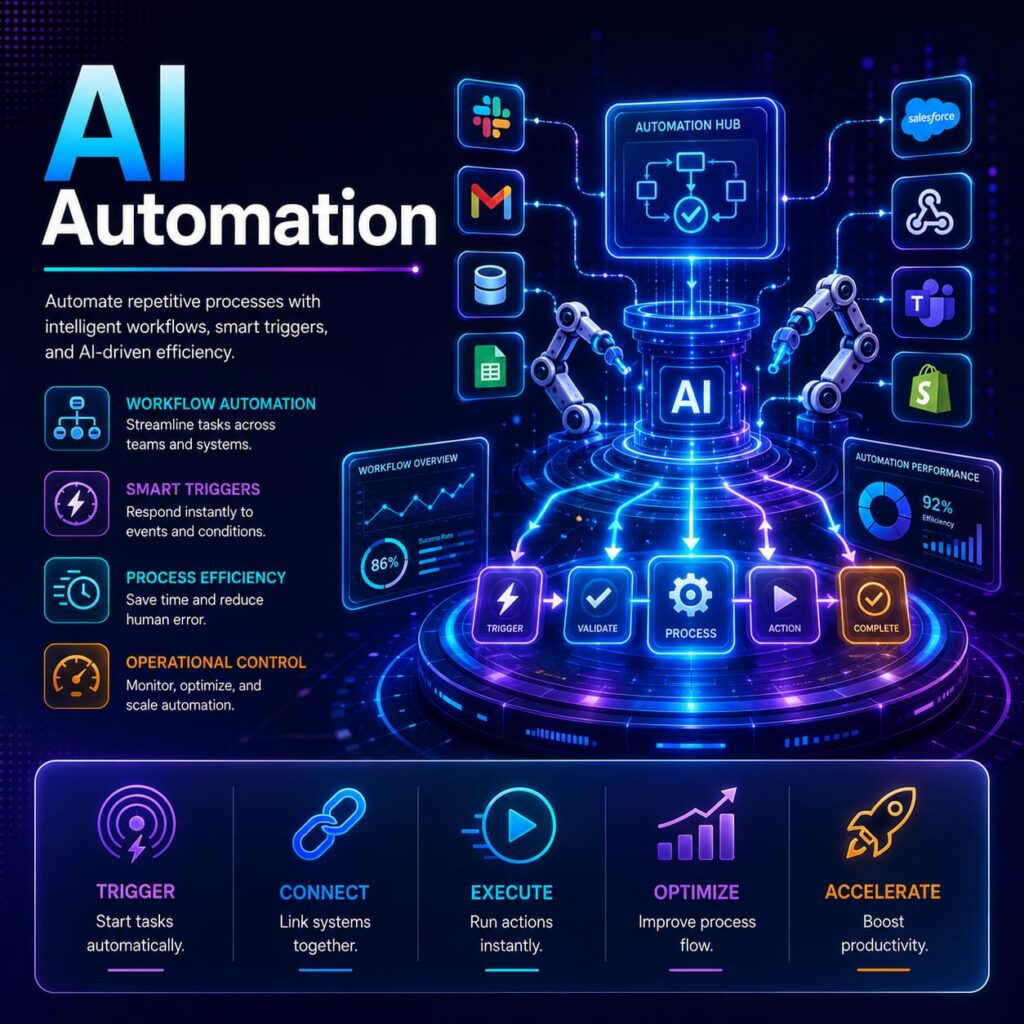
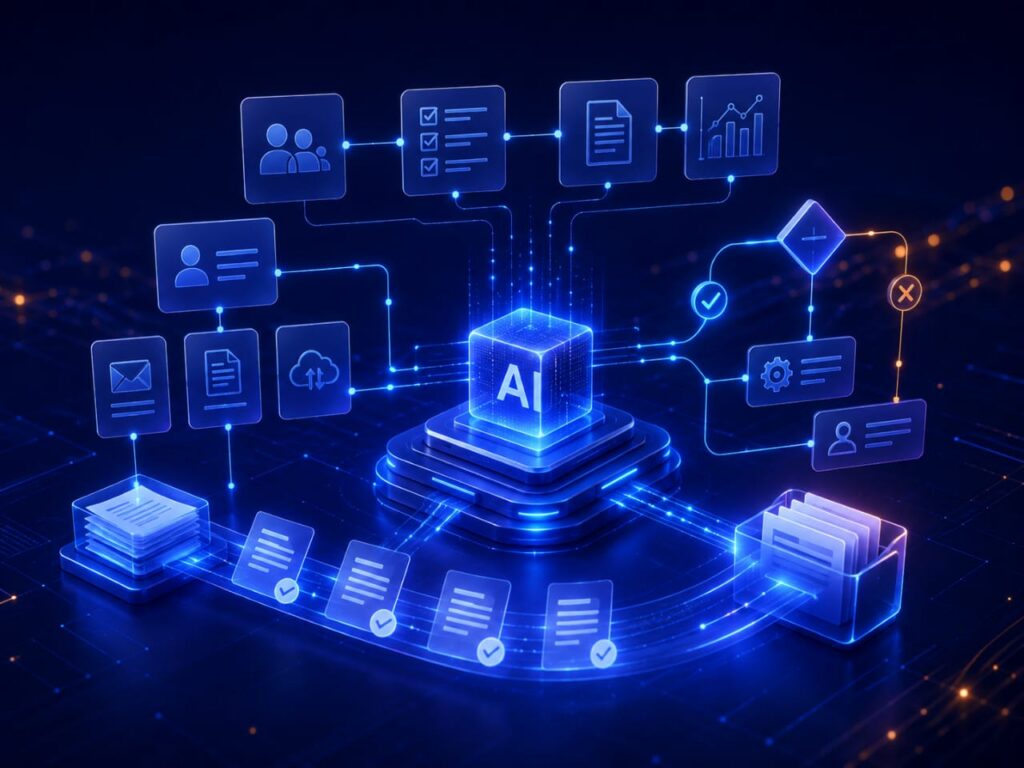
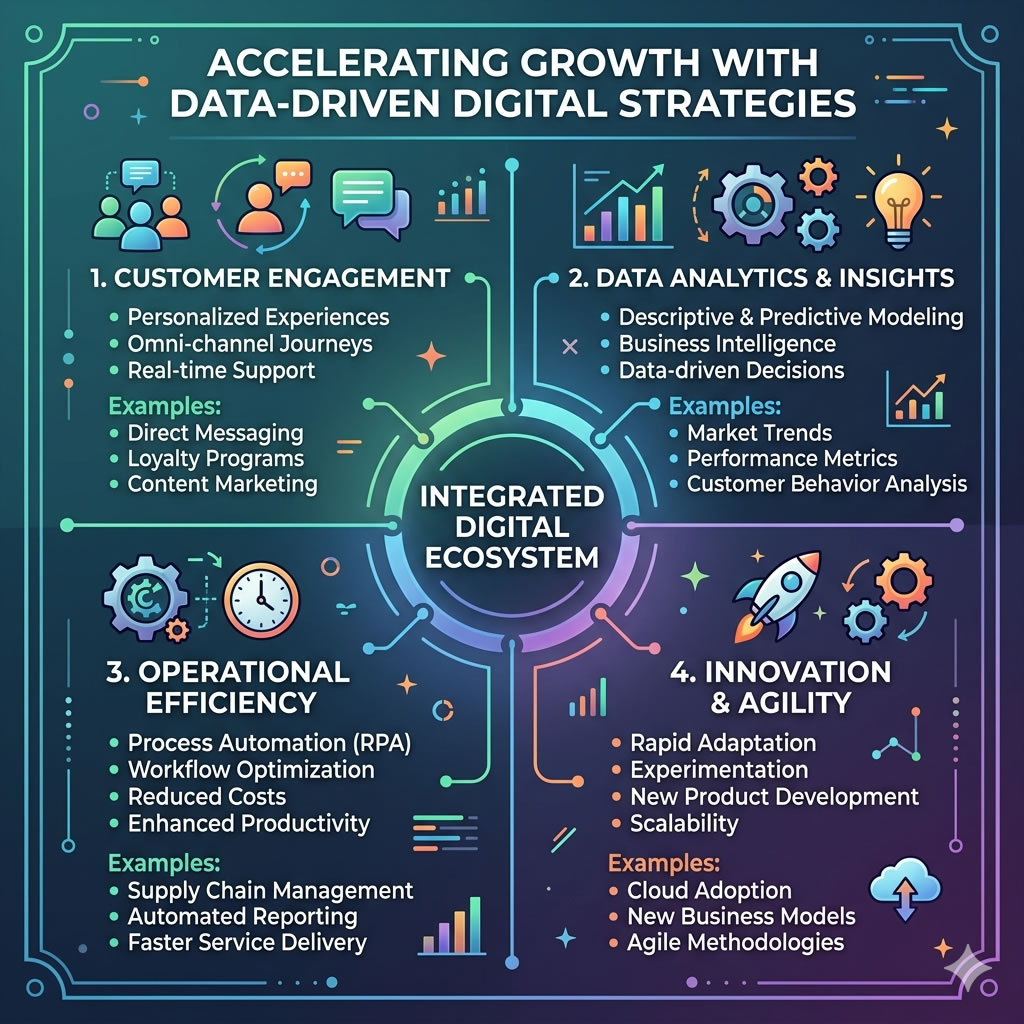

AI Automation refers to the use of artificial intelligence technologies (such as machine learning, natural language processing, computer vision, and large language models) to simulate human cognitive abilities, thereby automating complex, unstructured tasks requiring decision support.
Compared to traditional rule-based Robotic Process Automation (RPA), AI automation not only “faithfully executes” but also possesses the capabilities of “learning, reasoning, and dynamic adaptation,” driving global enterprises from “digitalizing manual labor” to “intelligent decision-making.”
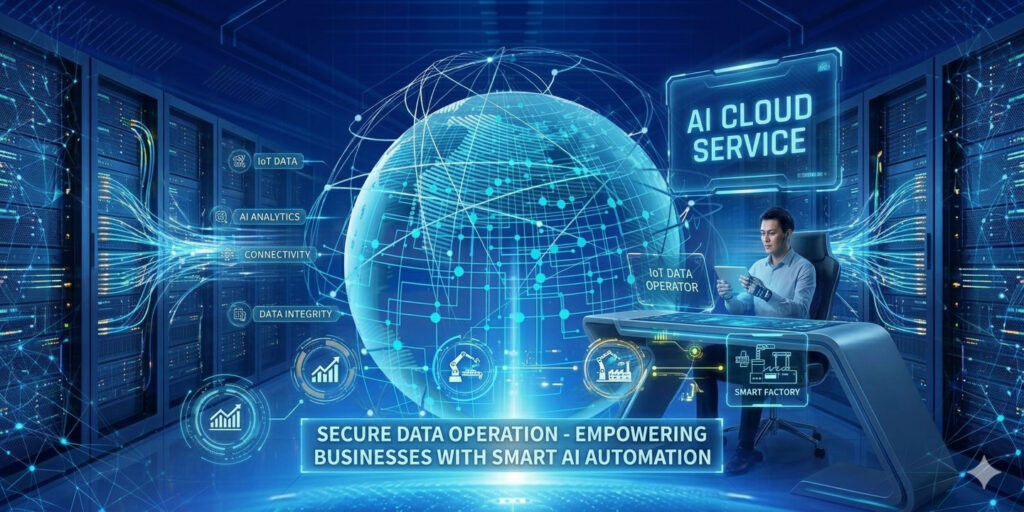
Core Technology Pillars
The powerful capabilities of AI automation primarily stem from the cross-integration of the following four core AI technologies:
- Large Language Models & Agentic AI (LLMs & Agents): Possessing logical reasoning and multi-step task planning capabilities. AI Agents can understand complex everyday human instructions and autonomously break down tasks, calling upon external tools (such as invoice filling, email sending, and trip booking) to achieve goals.
- Natural Language Processing (NLP) & Text Mining: Used to understand and parse human language. It can automatically read thousands of pages of contracts and flag compliance risks, and accurately extract sentiment preferences and core demands from disorganized customer complaint letters.
- Advanced Computer Vision (CV): Giving the system “eyes.” It can not only recognize images but also detect subtle product defects on industrial production lines in real time and assess vehicle damage assessments in insurance claims.
- Predictive Machine Learning (ML): Based on massive historical data, it dynamically models and automatically predicts supply chain inventory gaps, monitors financial fraud transactions, or performs early warning maintenance before factory equipment malfunctions.
Key Applications
- Intelligent Customer Service and Experience (Conversational AI): Going beyond simple keyword replies. AI-automated customer service can autonomously resolve over 80% of complex customer returns, exchanges, and business inquiries 24/7 through contextual understanding.
- Hyperautomation in Office: In departments such as finance, HR, and legal, it automates cross-system data cleaning, intelligent expense reimbursement review, resume screening, and interview scheduling, allowing employees to focus on strategic work. * Intelligent Supply Chain and Logistics Optimization: AI automatically analyzes global weather, traffic, and sales history to autonomously adjust cross-border logistics scheduling, optimize freight routes, and maintain warehouse inventory at the most reasonable dynamic level.
- Automated Software Development and Operations (AIOps): AI can automatically write test scripts, analyze system logs, and pinpoint the root cause of server outages within seconds, even automatically performing system repairs before human engineers can intervene.