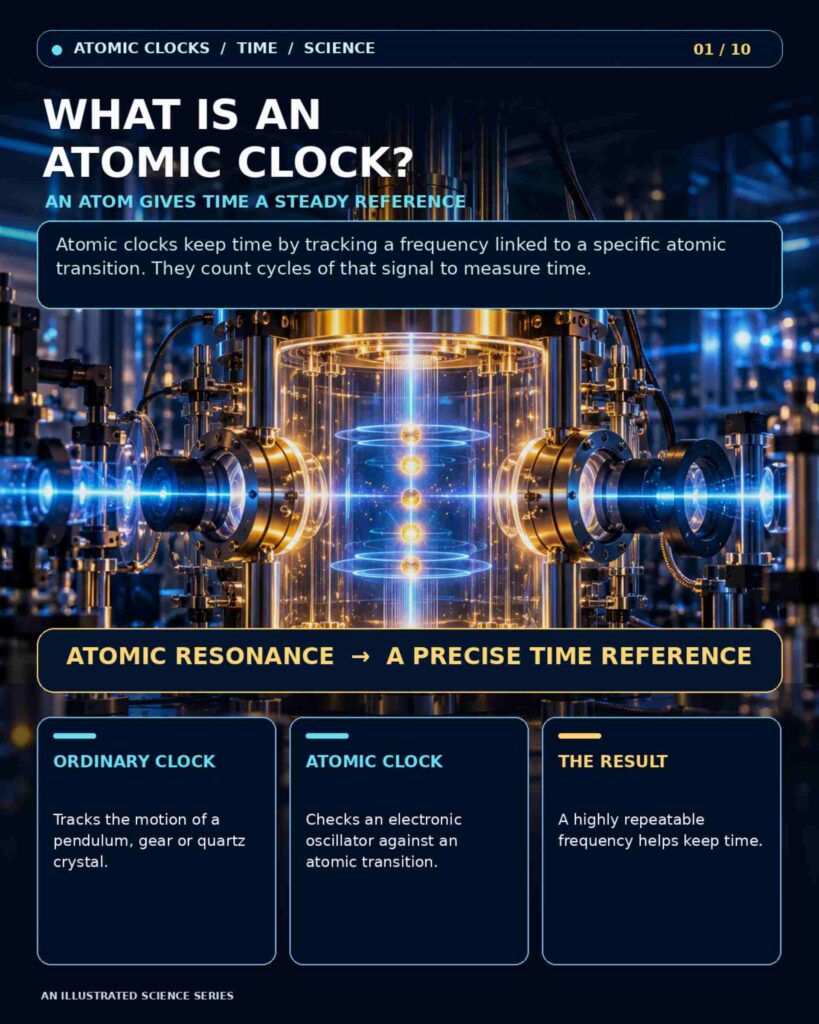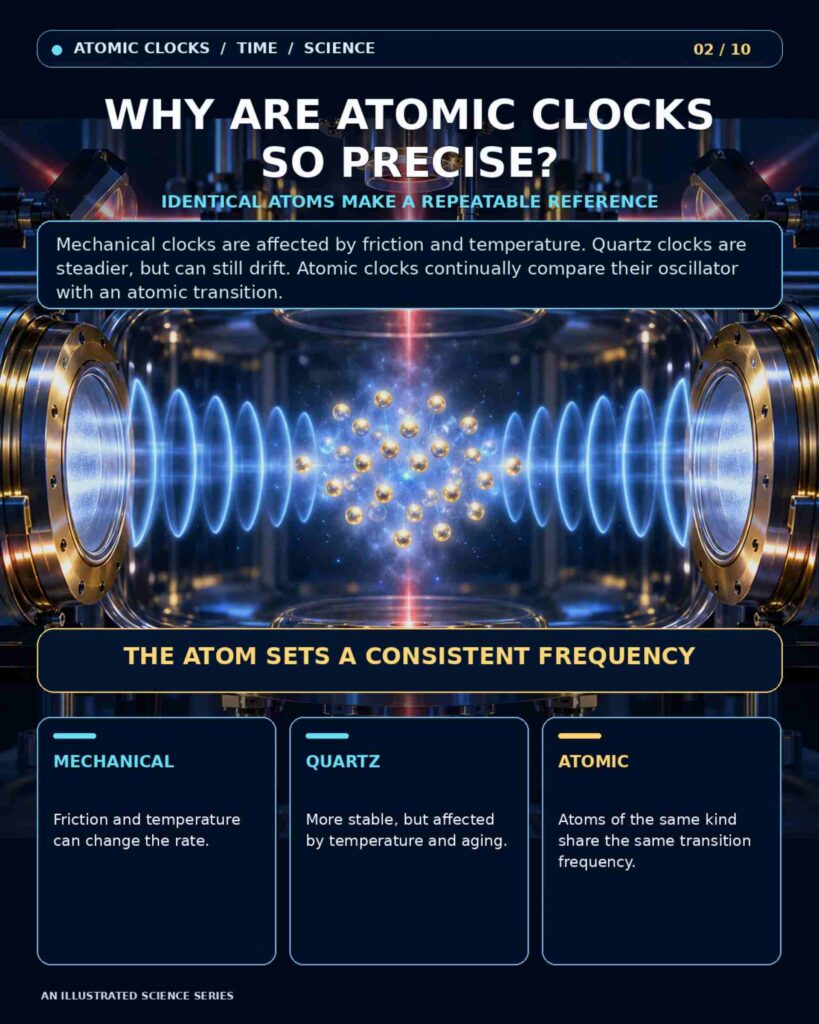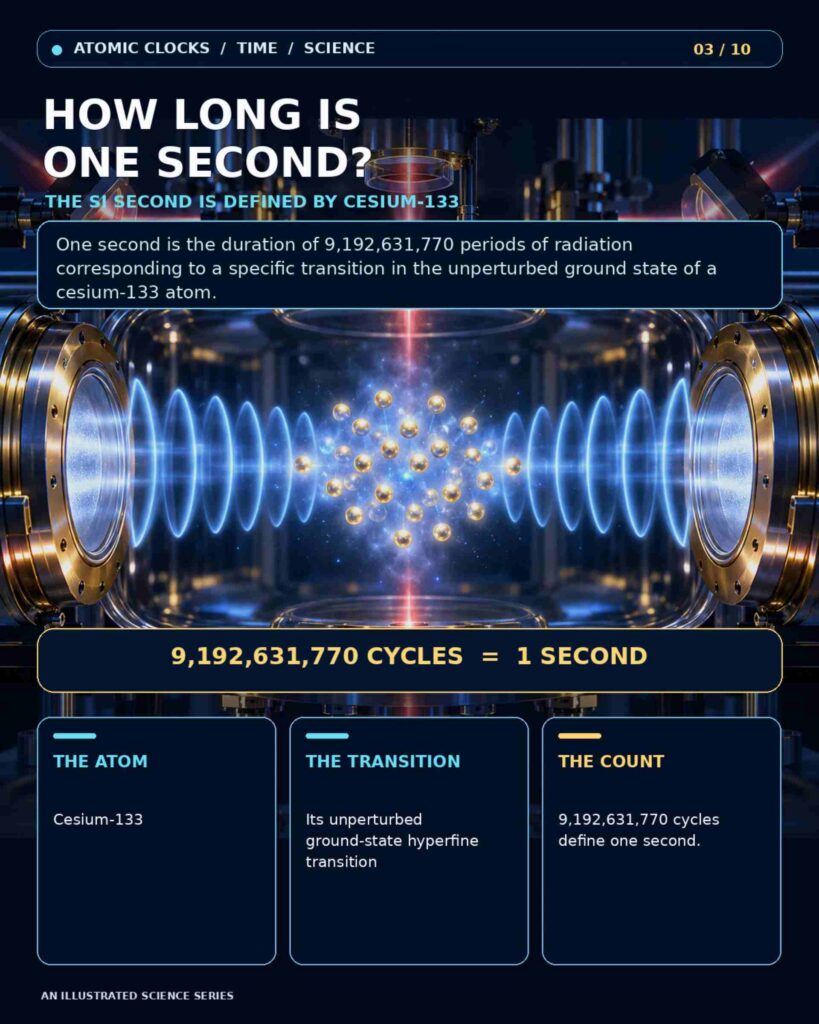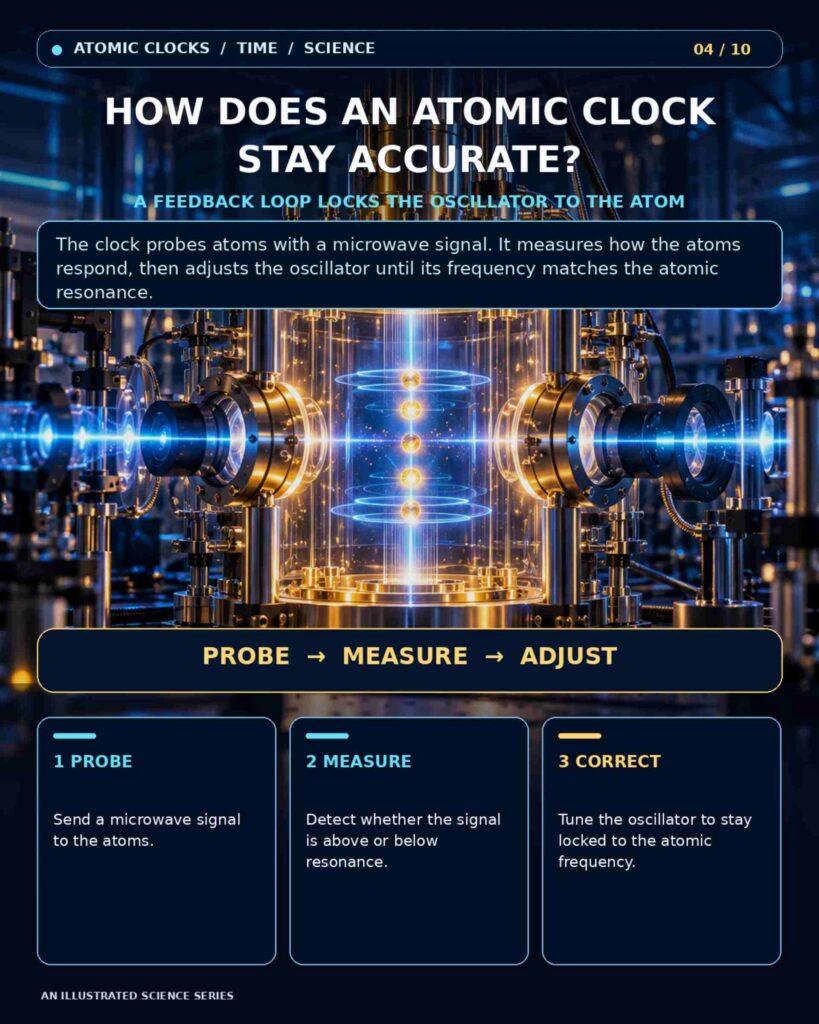



A satellite atomic clock is an ultra-precise timekeeping device installed on navigation satellites (such as GPS, BeiDou, Galileo, and GLONASS). Often referred to as the “heart” of satellite navigation systems, it provides an extremely accurate time baseline by utilizing the exceptional stability of atomic hyperfine transitions.
Why Do Satellites Need Atomic Clocks?
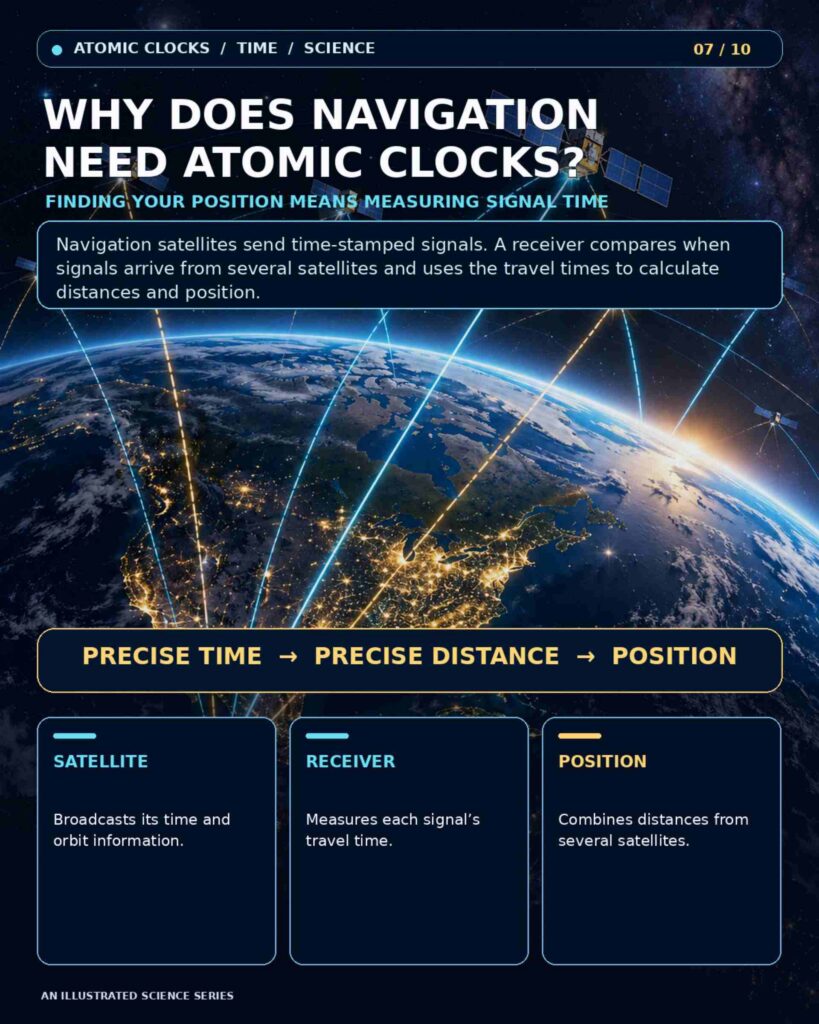
The core principle of satellite navigation (like GPS) relies on precise time measurement:
- Satellites in space continuously broadcast radio signals embedded with precise “timestamps.”
- When your smartphone receives these signals, it calculates the travel delay of the signal, multiplies it by the speed of light, and determines the exact distance between you and the satellite.
- By locking onto the distances of at least four satellites simultaneously, the phone can pinpoint your exact latitude, longitude, and altitude.
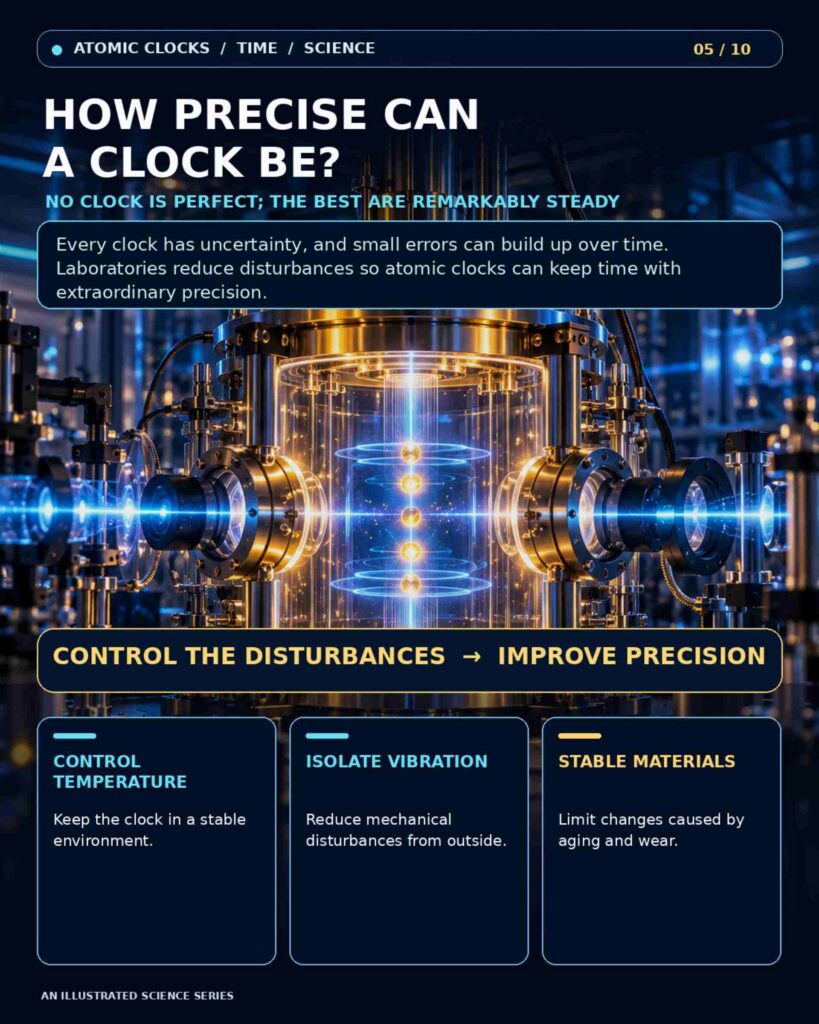
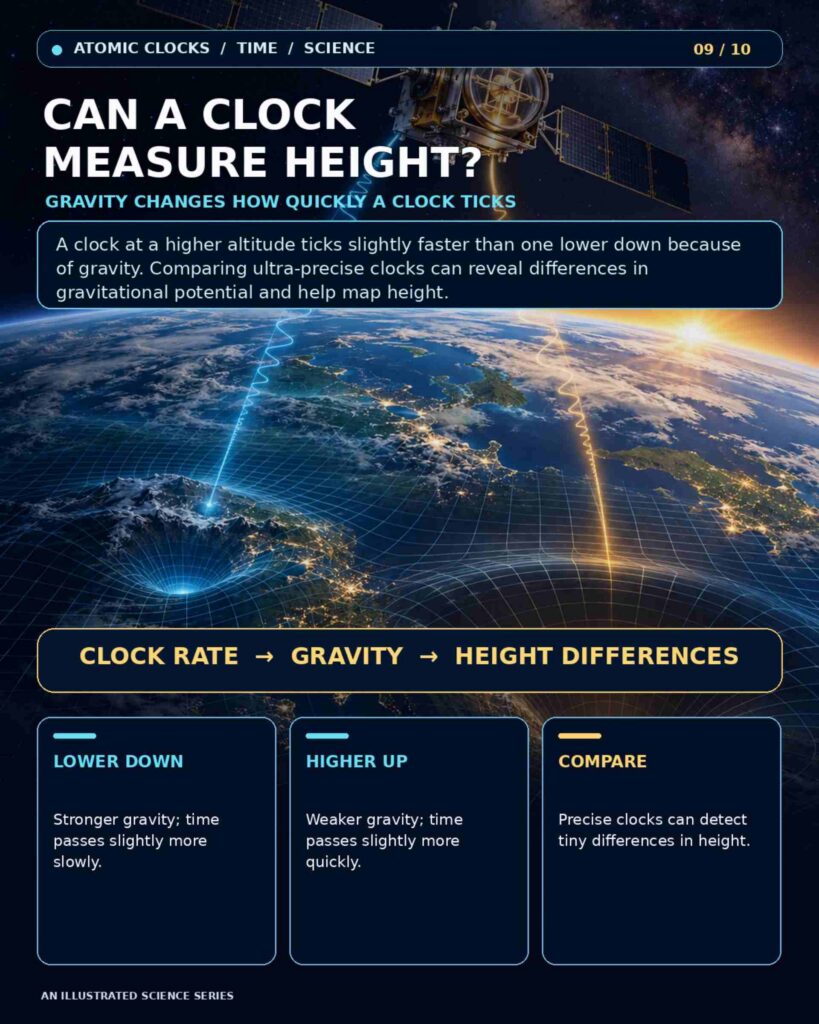
Because light travels incredibly fast (approx. 300,000 kilometers per second), an error of just 1 microsecond (one-millionth of a second) would cause a positioning error of 300 meters. Standard watches or quartz clocks drift by a few seconds every day, making them useless for navigation. This demands the use of atomic clocks, which only drift by one second over hundreds of millions of years.
Main Types of Satellite Atomic Clocks
There are three primary types of atomic clocks currently operating in orbit:
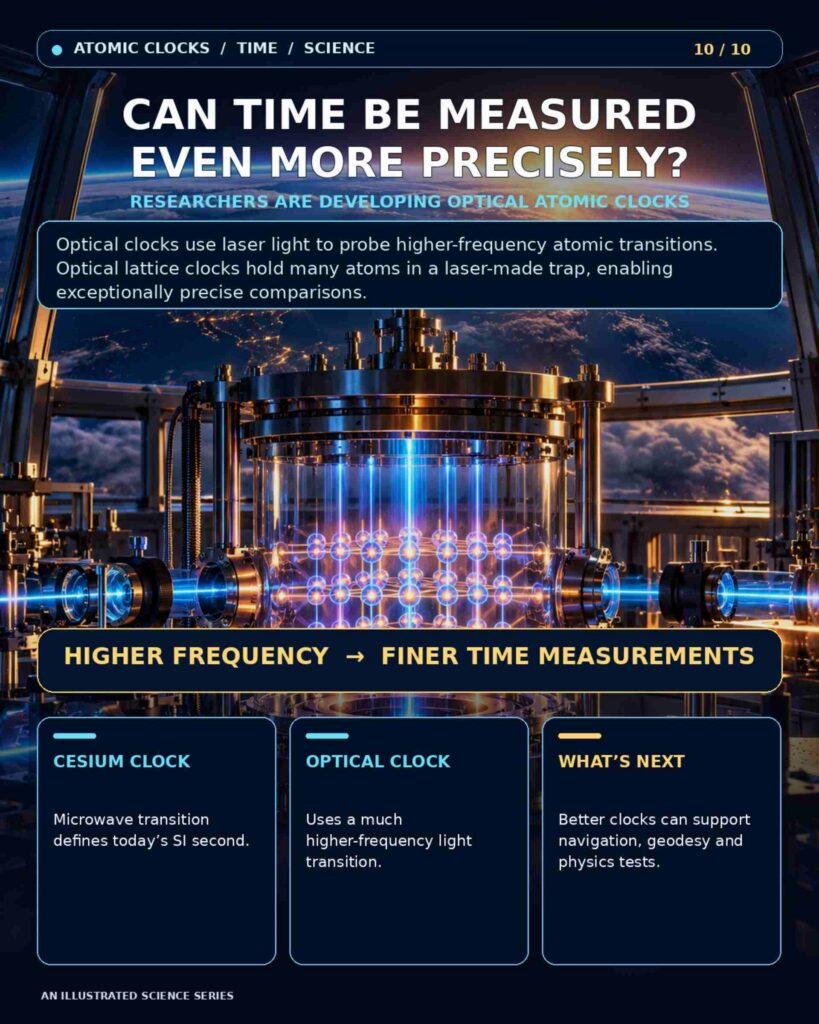
- Rubidium Atomic Clocks: Compact, lightweight, and highly mature. They serve as the “workhorses” of most navigation satellite systems, achieving a daily stability within a few nanoseconds (billionths of a second).
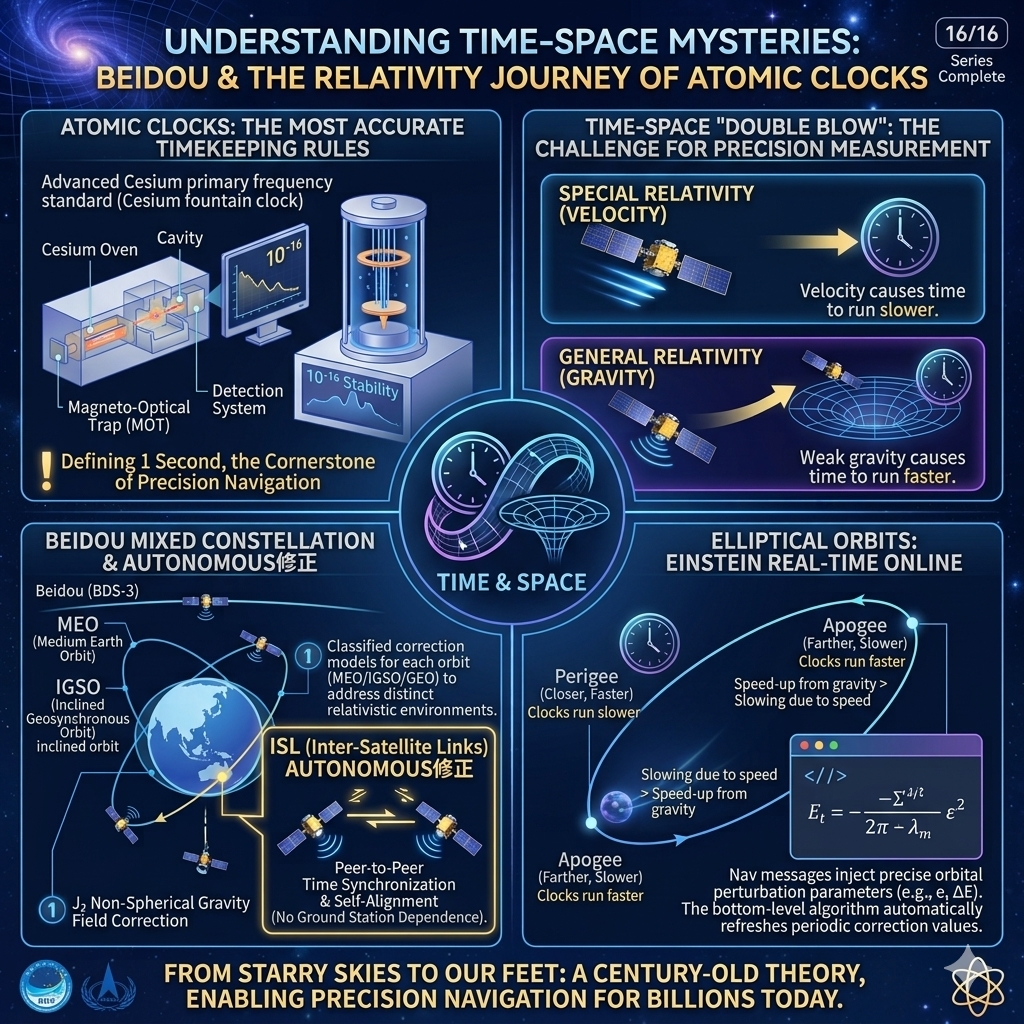
- Cesium Atomic Clocks: Known for their excellent long-term frequency stability. They have been widely used as primary time standards in both early and modern navigation satellites.
- Hydrogen Maser Clocks: Offer the highest level of both short-term and long-term stability in orbit. For instance, China’s BeiDou-3 satellites utilize high-performance hydrogen clocks, pushing positioning accuracy down to the centimeter level.
Core Value
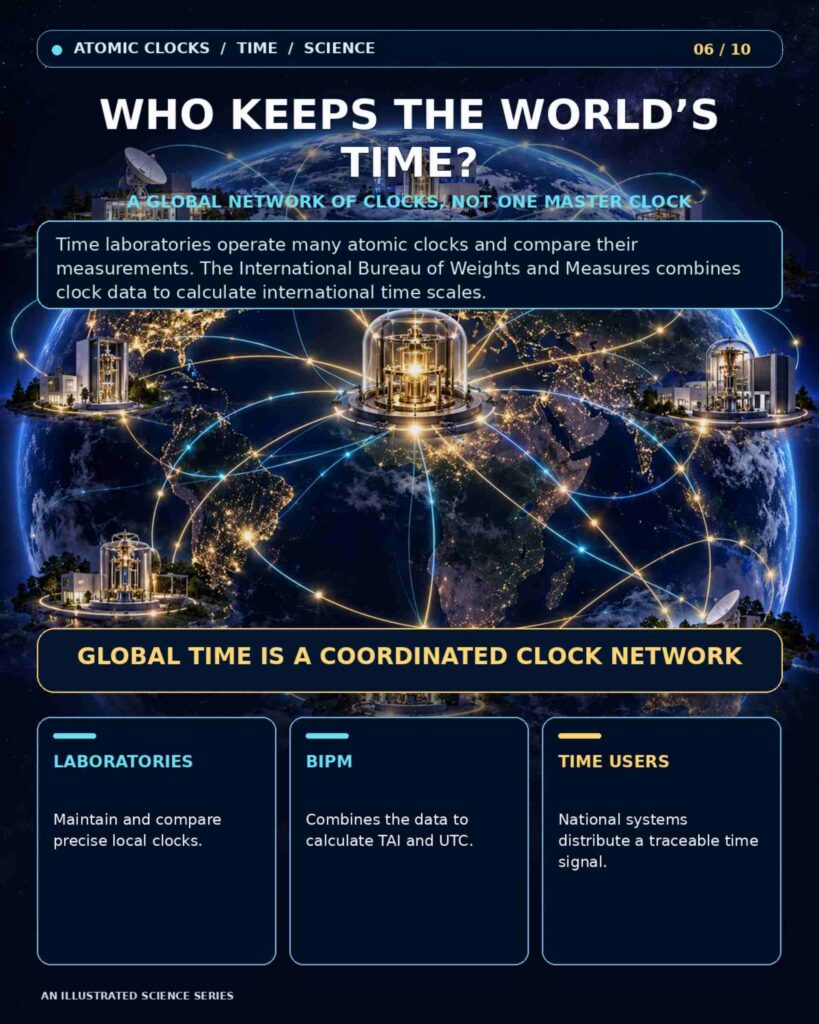
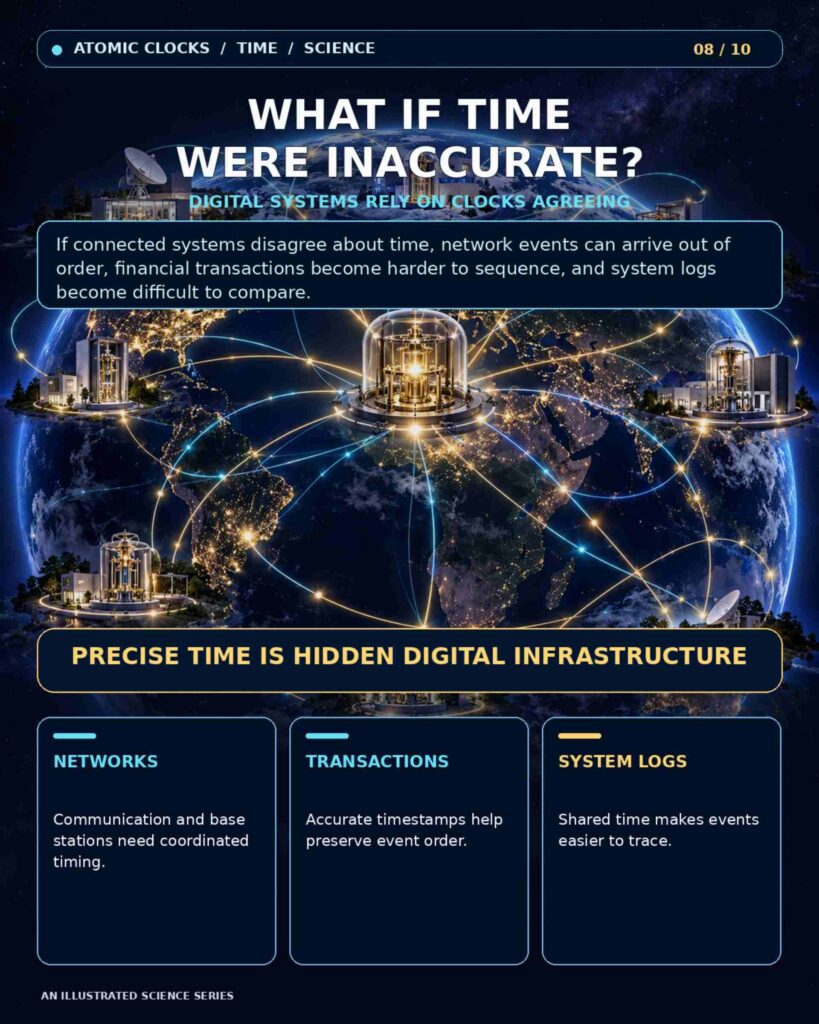
Beyond determining the positioning accuracy of smartphone navigation, the precise time synchronization provided by satellite atomic clocks serves as a foundational infrastructure for global financial transactions, power grid scheduling, telecommunication base station synchronization, and advanced scientific research.