

Education AI
- Artificial Intelligence (AI) in education uses machine learning algorithms and generative AI to personalize student learning, automate administrative tasks for teachers, and prepare a future-ready workforce. It is rapidly transforming how curriculum is delivered, shifting the focus from rote memorization to explicit AI literacy and critical thinking.
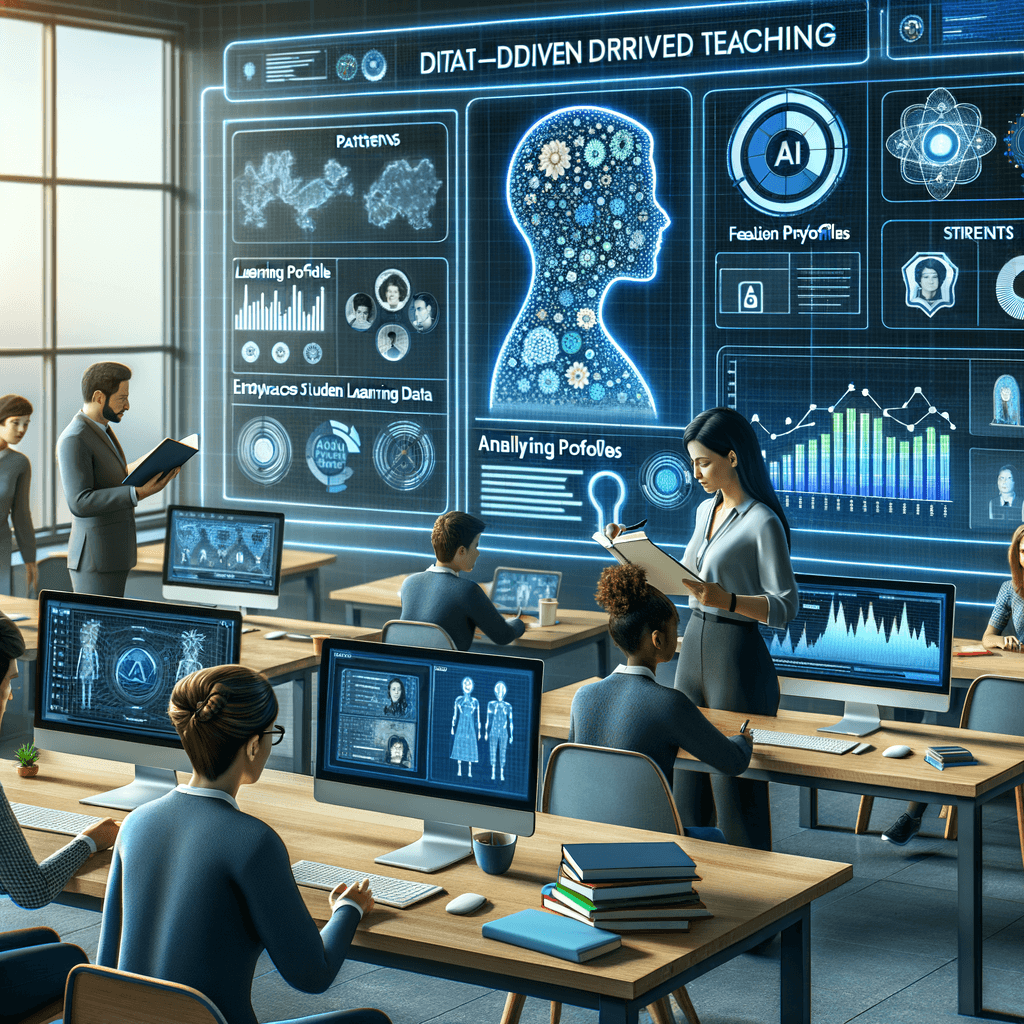

AI fundamentally alters education by operating across three core pillars:
- 1. For Teachers: Workflow & Instruction
Educators leverage AI to reclaim time previously lost to heavy administrative burdens, creating space for more personalized, human-centric student engagement.
Lesson Planning & Grading: AI tools generate tailored lesson plans, quizzes, and even assist with automated grading.
Popular Educator Tools: Platforms like MagicSchool AI, Brisk Teaching, and Eduaide.Ai are widely used to streamline everyday classroom tasks.
Professional Development: Google’s Teaching for Tomorrow and AI for Education offer resources and training to help schools drive responsible AI adoption. - 2. For Students: Personalized Learning
AI acts as a 24/7 personalized tutor, allowing students to learn at their own pace and access individualized feedback.
Adaptive Learning Platforms: AI analyzes a student’s weak points in real time and adjusts the difficulty of the material to suit their comprehension level.
Explicit AI Literacy: Rather than just using AI for answers, schools emphasize treating AI outputs as “working drafts”. Students are taught to cross-reference AI models, fact-check, and spot biases, which builds strong critical thinking and media literacy. - 3. Local Context & Frameworks
Educational institutions are actively embedding AI into their national and regional systems to prepare future-ready workforces.
In Malaysia: Policies align with the broader national digital transformation to integrate AI across schools, universities, and TVET systems, bridging the gap between rural and urban education.
Global Standards: Organizations like UNESCO and the OECD provide competency frameworks and policy guidelines to ensure AI is used inclusively, ethically, and equitably